Recently in Ignition Interlock Device Category

February 23, 2010

Sober Steering Sensors May Replace Ignition Interlock Devices in OUI Cases

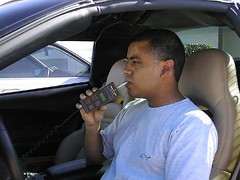
Last month, I wrote about the use of ignition interlock devices in Massachusetts drunk driving cases. Under Melanie's Law, courts may order repeat OUI offenders to install these mobile breathalyzers in their vehicles, at their own expense. The devices were originally hailed as an effective way to stop drunk driving, but as I wrote in January, citizens and Massachusetts OUI defense attorneys have raised significant questions about their effectiveness, reliability and safety.

Now, a report from the Record of Waterloo, Ontario, Canada suggests that ignition interlock devices may someday be outmoded by a new technology. The Feb. 12 article says Sober Steering Sensors Canada Inc. is developing a type of chemical sensor that can detect what it calls the gas byproducts of alcohol though a person's skin. The company is developing a steering wheel that incorporates the sensors. As with IIDs, the system would not allow the vehicle to start if it detects a high BAC. The Record said the company is already testing the technology in "fleet" vehicles, including buses and large trucks. Both MADD and the auto insurance industry have expressed interest, and the company's founder was slated to talk to Florida's state legislature about the technology Feb. 15.

The article said Sober Steering's product may improve on IIDs for several reasons. IIDs require a "clean" breath test before they allow the vehicle to start. Drivers can get around this by having another person take the test. For this reason, IIDs also require a "rolling retest," which means retaking the breath test while the vehicle is in motion. Critics believe this is not safe, especially since the car can shut down in traffic if the driver can't find a safe place to pull over and take the test. The Sober Steering technology can take rolling retests without the driver having to do anything but keep his or her hands on the wheel. Sober Steering claims its technology can tell the difference between alcohol consumption and alcohol from hand sanitizer, mouthwash or other products, a common criticism of breathalyzers. And the cost of installing it is a sixth to a tenth of the cost of an IID, the article said.

As a Massachusetts drunk driving criminal defense lawyer, I agree that this could solve some of the drawbacks of IIDs, though not all of them. (Drivers could still illegally borrow someone else's car, for example.) But I believe states and provinces should take a hard look at the technology before rushing to adopt it. For example, how finely tuned is the technology? Can it tell when a driver is wearing gloves? Can it consistently distinguish between a legal BAC of 0.07 and an illegal 0.08? Serious flaws, like the well-documented problems with breathalyzers, could allow defendants to fight their cases. Another concern has to do with the constitutional right of defendants to face their accusers. In cases of drunk driving, the test device is generally considered the "accuser," which has led to court cases, successful in some states, demanding that the source code behind breathalyzer machines be publicly released. If Sober Steering's technology will be used in the United States, the company should release its technology to allow defendants to build the best possible defenses.

The Law Offices of Stephen Neyman represents clients throughout eastern Massachusetts who are charged with operating under the influence and related crimes. If you're facing charges, don't hesitate to contact us for help. For a free phone consultation, please call (617) 263-6800 or send a message through the Web site.

Bookmark and Share
January 12, 2010

RMV Official Says Ignition Interlock Devices Have Stopped OUIs in Massachusetts

Since 2006, Massachusetts law has required an ignition interlock device for anyone convicted of a second or subsequent drunk driving offense. This provision, which is part of Melanie's Law, was intended to keep repeat drunk drivers off the road. Massachusetts drunk driving criminal defense attorneys like me always had doubts about the program's effectiveness -- but popular support for anti-DUI measures helped sweep it into law anyway. Now, the Boston Globe reported Jan. 8, the Massachusetts registrar of motor vehicles, Rachel Kaprielian, says two years of data show that the devices have successfully deterred drunk driving.

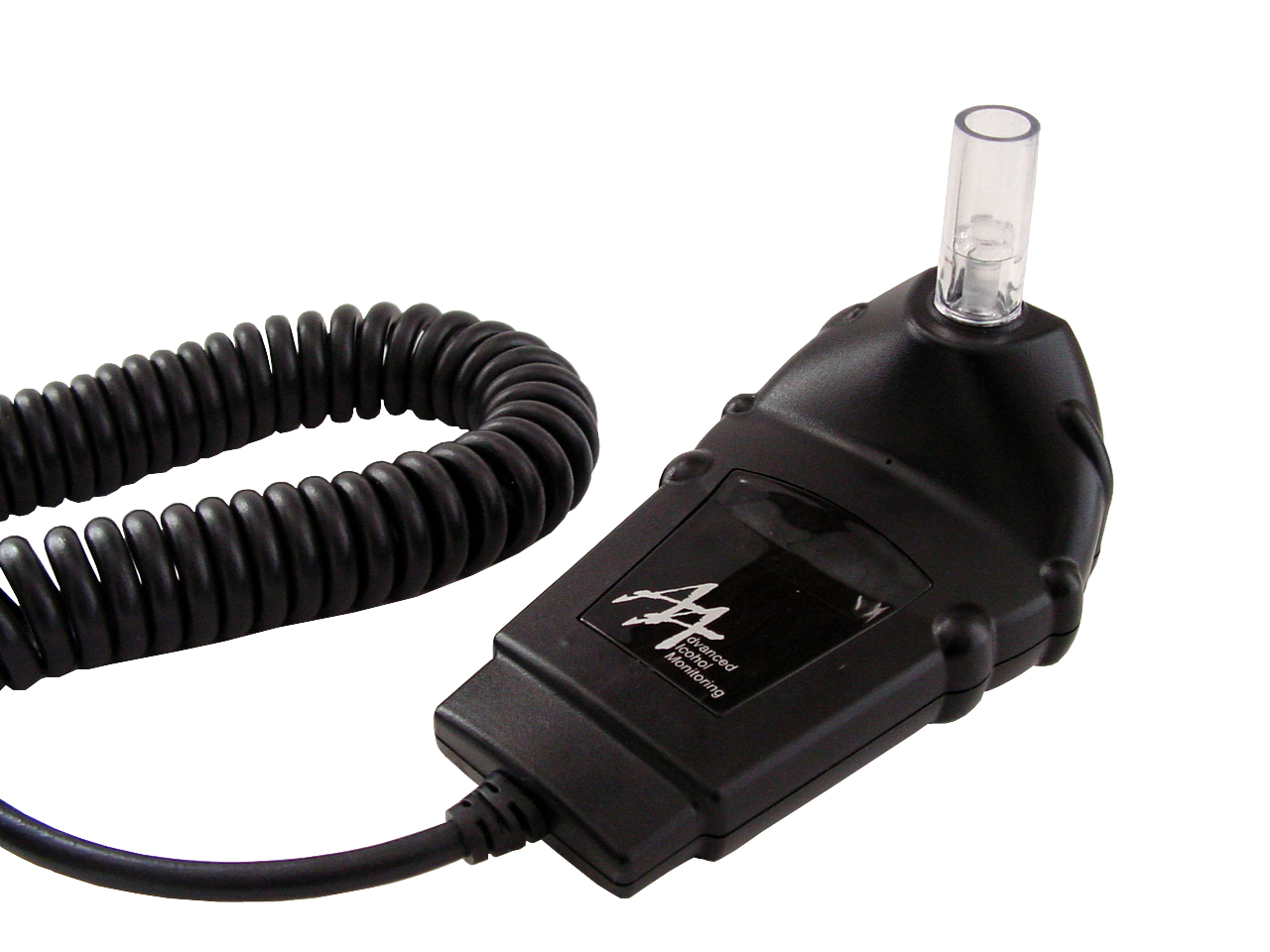
An IID is essentially a breathalyzer attached to the car's ignition. If one is installed, it is impossible to turn on the car until the driver passes a breathalyzer test, with "failure" defined as a BAC of 0.02 or greater -- not 0.08. The driver must then breathe into the device every 20 minutes (even if the car is in motion). Drivers convicted of OUI twice or more must install IIDs at their own expense whenever they are granted a hardship license, and for two years thereafter. No technology stops other people from taking the test for the driver, but Melanie's Law also includes criminal penalties for people who do this, or who lend cars to drivers with an IID in their own vehicles.

According to the article, Kaprielian based her statement on new statistics released by the state. Those statistics say that more than 4,000 drivers altogether have been required to use the ignition interlock devices since Melanie's Law took effect. Of these, it says, hundreds have completed the two-year period. And of those who completed the period, the state said only 30 drivers have been charged with a third OUI. This is a recidivism rate of less than 2%, the Globe reported.

I don't doubt that the state's numbers are accurate -- but I think they're being used in a misleading way. The article says more than 4,000 drivers have gotten the device, but only hundreds have completed the two-year program successfully. Even assuming "hundreds" is close to 1,000, that means three-fourths of the drivers did not complete the period. The typical reasons for not completing it are not good -- essentially, breaking some condition of probation, including failing the test even once. Thus, the recidivism rate among all drivers with the device installed, whether or not they completed the two-year period, must be substantially higher than 2%. This is probably not the wild success claimed by the state.

Massachusetts OUI defense lawyers like me doubted the effectiveness, safety and legality of IIDs from the beginning. For one thing, IIDs are used under conditions that make them even less reliable than police breathalyzer tests. They can easily be contaminated by substances from inside and outside the car. Furthermore, there's nothing but state law stopping drivers from having friends take the tests for them, or borrowing a different car. And finally, a study of IIDs in California (PDF) has found that IIDs not only did not bring down subsequent convictions, but actually increased the risk of a crash.

Continue reading "RMV Official Says Ignition Interlock Devices Have Stopped OUIs in Massachusetts" »

Bookmark and Share